


Our Reasons meet us in the morning and whisper to us at night. Mine is an innocent, unsuspecting, eternally sixty-one-year-old woman named Lorraine Daigle…
Violet Powell, a twenty-two-year-old from Abbott Falls, Maine, is being released from prison after serving twenty-two months for a drunk-driving crash that killed a local kindergarten teacher.
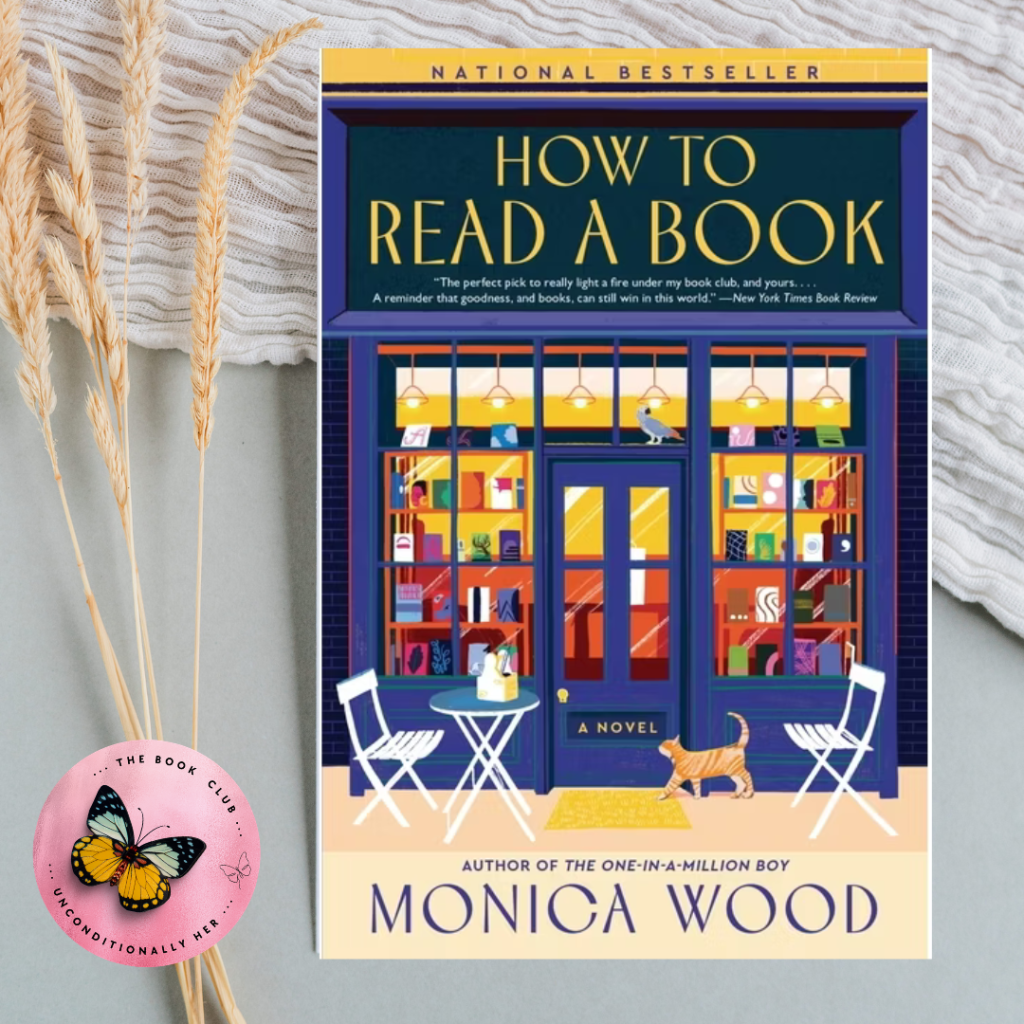
Harriet Larson, a retired English teacher who runs the prison book club, is facing the unsettling prospect of an empty nest.
Frank Daigle, a retired machinist, hasn’t yet come to grips with the complications of his marriage to the woman Violet killed.
When the three encounter each other one morning in a bookstore in Portland—Violet to buy the novel she was reading in the prison book club before her release, Harriet to choose the next title for the women who remain, and Frank to dispatch his duties as the store handyman—their lives begin to intersect in transformative ways.
How to Read a Book is an unsparingly honest and profoundly hopeful story about letting go of guilt, seizing second chances, and the power of books to change our lives. With the heart, wit, grace, and depth of understanding that has characterized her work, Monica Wood illuminates the decisions that define a life and the kindnesses that make life worth living.

What a wonderful book! This author’s descriptions are so vivid and unique, you can easily picture the scenes. For example, she described the colors of the room where the book club was held as ranging from putty to band-aid. How unique! The characters are described with such empathy and compassion. As a reader, I could put myself into each of their places with understanding for the decisions they made and the path their lives took. Their chance meeting transformed all their lives. This is a story about mistakes that change our lives, and how we move forward from those mistakes. How hard is it to forgive ourselves, even if we have the forgiveness of others?
What I loved about this book:
The characters are so well developed. Each of the main characters have family issues and stories of their own which all intersect to make this book such a rich story. The book starts with a book club meeting, which immediately draws you into the story. Harriet was so loveable and warm and so intentional with her selections and discussion starters. She truly cared for each lady and her story. Through the comments by the inmates at book club, you learn more of their heartbreaking stories. I thought all the prison scenes were written with a dose of reality of what life must really be like inside. This was helpful in understanding Vivan’s journey once she was released. Frank’s heartbreak and compassion were evident from the beginning. His first reaction does not imply that, but as his story develops, you realize the importance of forgiveness and grace.
All 3 main characters are facing changes in their personal lives that affect how the story between the 3 of them develops. These side stories deepen the plot as they each struggle to find their own voice.
I loved that Harriet was so invested in the book club. She searched for books that the inmates would enjoy. She taught them what made a story and how to connect to the characters whether they liked them or not. She listened to what they wanted in a book as she made her choices and came prepared with thoughtful discussion questions.
Some of the stories of the inmates are hard to read, but I think they are realistic and are necessary to the story because they help you understand Vivian’s mindset when she was released.
I just loved how each character, no matter how insignificant a role they had in the book, was written with respect. I felt that the author truly loved each one by the way she wrote their story.
What I didn’t love about this book:
I wasn’t crazy about Frank’s family. As his story develops, his wife may not be who everyone thought she was. His daughter seems to have idolized her and is offended by what she considers his lack of a sense of justice.
I also didn’t like Vivian’s family and their complete rejection of her after her release.
That’s about it. There isn’t much to dislike about this book.
This book just feels so warm and hopeful, despite the hard parts. It’s a book I could reread and discover even more insights. There is so much to discuss in this book. Can bad decisions that define our lives be overcome? Do books have the power to change our lives? How does kindness impact someone having a hard time?




Leave a Reply